The Art of Lei HuluDelve into the rich history, intricate craftsmanship, and profound cultural significance of Hawaiian feather leis. |
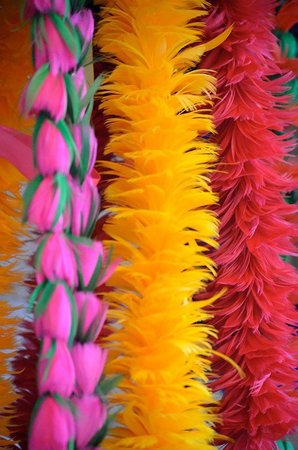
The Art of Lei Hulu
Lei hulu, or Hawaiian feather lei, are among the most cherished and revered adornments in Hawaiian culture. The word "hulu" translates to "feather," and these intricate creations are far more than mere decorations; they are tangible expressions of artistry, status, spirituality, and deep aloha (love).
Historical Significance
Historically, lei hulu were reserved for the aliʻi (Hawaiian royalty) and individuals of high rank. They were potent symbols of wealth, power, and divine connection (mana). The vibrant colors and specific types of feathers used often held deep symbolic meanings, representing lineage, specific deities, or the wearer's status. Feathers were gathered with immense respect and care, often from birds that were caught and then released, or from naturally molted plumes. The brilliant yellow feathers of the now-extinct mamo and ʻōʻō birds were particularly prized and reserved for the highest-ranking aliʻi.
Craftsmanship and Materials
The creation of a single lei hulu is a testament to extraordinary patience, skill, and dedication. Master artisans, or kumu hulu, spend countless hours meticulously preparing and attaching each tiny feather to a backing, often made from natural fibers like olonā. While historically native bird feathers were used, modern conservation efforts mean that feathers from non-native birds like pheasants, peacocks, geese, and ducks are now commonly utilized, sometimes dyed to achieve the desired hues.
Modern Significance
Today, lei hulu continue to hold a place of profound importance in Hawaiian culture. They are worn with pride during significant life events, hula performances, and ceremonial occasions, serving as a powerful connection to ancestral heritage and artistic tradition. The art of lei hulu is kept alive by dedicated practitioners who pass down their knowledge through generations, ensuring that this beautiful cultural expression continues to flourish. A lei hulu is not just an accessory; it is an heirloom, a story, and a symbol of Hawaiian identity.
Lei Hulu Construction Styles
Wili Poepoe
Description: This is perhaps the most iconic style of lei hulu. Individual feathers are meticulously tied with thread onto a backing of multiple strands of yarn to create a full, round, cylindrical shape.
Characteristics: The feathers radiate outwards, creating a soft, plush, and often dense appearance. The lei is usually round in cross-section.
Wili Kamoe
Description:The feathers are attached in the downward position. This term often describes a very smooth, perfectly round lei resembling a thick rope. It's a mark of exceptional skill.
Characteristics:Single or Multi-color: Can be made with a single color or feature intricate patterns and color changes.
Humu Papa (Sewn to a Flat Backing)
Description: In this technique, feathers are sewn directly onto a flat backing material (e.g., kapa, fabric, woven lauhala).
Characteristics: This method creates a flatter lei, where the feathers lie flush against the backing.
Lei Paukū (Segmented Lei)
Description: This refers to a lei made in distinct sections or blocks of color or feather types, rather than a continuous pattern or single color.
Characteristics: Can be achieved using wili or humu papa techniques. Each segment is carefully planned and executed before joining to the next.
Key Considerations for all Lei Hulu
- Feathers: Historically, feathers came from native Hawaiian birds like the ʻiʻiwi (red), ʻōʻō (yellow/black), mamo (yellow/black), and ʻapapane (red). Due to conservation, modern lei hulu often use feathers from non-native birds like pheasants, peacocks, geese (dyed), and chickens.
- Craftsmanship: Creating lei hulu is an incredibly time-consuming and skilled art form, requiring patience, precision, and a deep understanding of materials.
- Significance: Beyond adornment, they were symbols of rank, lineage, and divine connection. Today, they are treasured heirlooms and symbols of Hawaiian artistry and cultural pride.
Experience the Tradition
Each Lei Hulu created by Kumu Herman embodies these rich traditions, offering a piece of Hawaiian heritage to be cherished.